Here is a list of dealers selling MY Parang in other countries if you are not from Malaysia, UK or the USA.
We highly recommend that you purchase locally as it helps support you local business, reduces the delivery time, less possibility of the package getting lost and it may even be cheaper!
If you can’t find your country listed , you can contact Outdoor Dynamics Sdn Bhd – info@outdoordynamics.com.my . Let them know where you are from and which parang you are interested in and they will reply you with the price breakdown.
MY Parang Duku Chandong compared to the Budget Chandong parang
Recently we have come across some posts in certain knife forums asking why there is such a price difference between the MY Parang – parangs , compared to the previous Bidor made parangs. To answer that question, we will take two simillar parangs – the MY Parang Duku Chandong and the Budget Chandong parang and compare them side to side.
Outdoor Dynamics has been selling the Bidor parang for quite a few years now, and they have had so many requests for wooden – handled parang. Hence, after many years of planning and thoughts, the brand ” MY Parang” was borne . All the goodness of the Bidor parang blades, but with a wooden handle.
The blade is cleaned up , removing the black coating caused by forging and heat treat.
Yes, the blades / blanks are sourced from the same blacksmith in Bidor , but for the case of MY Parang , we take a few more steps to clean the blade up. What we mean by clean the blade is to remove the protective shellac and black coating left after the forging and hardening process. With the black coating removed, we can now see the beauty of a hand forged blade. The forge marks are left intact and not ground smooth . We believe it gives a natural and unique look to the parang. One of the signs of authenticity .
polished myparang spine comparison
We also clean up the spine, which comes from the factory all black and wobbly. We smoothen it down and give it a sharper shoulder so our users can use a fire steel on the spine. As you can see from the picture above, the polished spine looks much better and takes away the roughness from the factory.
The wooden handle vs the plastic handle
Now to the handle . The budget Chandong parang has a plastic handle which comes from the factory. These plastic handles are not the best, but they are cheap and they do work. Some feedback we have received is that they are slippery or feel like holding a candle. We believe the plastic used to make the handle is not virgin material but consists of quite a large percentage of recycled plastics, hence the waxy feeling. The plastic handle of the budget chandong parang is fixed by heating the tang of the blade and sticking it in the handle while it is still hot. Once the plastic has hardened, the tang is pinned using a small wire / pin.
The MY Parang handle is made from Beech – eco wood sourced from Croatia. What we mean by eco wood is that the wood comes from a farm ( planted and renewable ), and not taken off the wild , like many local hardwoods are. Being an imported wood, it does cost a huge amount more to import, cut and shape to a handle, compared to a locally made plastic handle. While the plastic handle comes out the mold ready to be used, the wooden handle still needs work. We still need to do some minor adjustments such as – to fit the collar , install the tang and to dye it a darker colour. We also add in in a much thicker 3.5mm brass pin under the collar to give the parang additional security.
wooden vs plastic parang handlewooden parang handle lengthplastic handle length
The MY Parang wooden handle also has a slightly different shape to it. The Budget Chandong parang handle is slightly shorter and the butt curves down more abruptly. This makes it slightly less comfortable if you are holding the butt of the handle for power cuts. The MY parang wooden handle has a gentler curve and is much more comfortable to hold , either choking up or extended for power cuts. You can see this clearly from the pictures above.
MY Parang handle lengthMY parang handle width ( it is slightly more than 1″ – the camera makes it look like its less )
Above shows some measurements for the wooden MY parang handles. They were made slightly larger to accommodate larger hands, but they work very well even for those with smaller hands.
There is quite a huge difference in the Budget Chandong parang compared to the MY parang . As you can see, the Budget chandong parang is basically sold as it arrives from the factory. The only extra work we do is stick a price tag on it. With MY Parang , it goes through a much longer process and is made with using higher quality material – Copper collar, brass pin, dyed wooden handled and industrial strength epoxy to hold it all together. MY parang products are also packed in a presentable box .
We hope this post will enlighten those who have asked.
Currently MY Parang products consists two types of parangs – the Duku Chandong and the Golok. The Duku Chandong comes in three variations – the 12 inch, the 10 inch and the 12 inch heavy . As for the Golok, they come in two variations – the 125 and the 135. Below we look at them more closely , in fact this post will be more pictures than words. Enjoy!
General overview of MY Parang Products
Real forge marks , not stamped by machinesEach blade is different and there will never be two of the sameThe real Bidor stamps , the sign of authenticity
The blade which is made of 5160 high carbon steel or commonly know as leaf spring steel and has real forge marks not those fake machine stamped one you see in other commercial brands. The blades are hand forged and each one is unique.
The handle is made of Eco – wood sourced from Croatia. They are farmed Beech wood and are a renewable resource. The handle shape is of a simple and traditional design . It has been proven to be a very comfortable handle and will not give you any blisters despite chopping away for hours.
The width of the handle is approximately 1″ , it looks smaller it the photo due to the camera wide angle lens.Overall length of the handle is about 6.5″ , large enough for most hands.
We have made the handle slightly longer to accommodate large hands. The handle design enables various grips comfortably , from choking up to the blade, to holding the handle way back . Various handle position enables different cutting tasks. Unlike some modern parangs, their handle has guards and choils which hinder this natural use of the handle.
The spine is sanded squareSpine thickness near the handle – about 7/32″ or 5mmSpine thickness at the tip – 1/8″ or about 3mm
Another great feature of MY Parang products is that all the blades has a distal taper. This improves the balance of the parang, making it very lively and quick in the hand, without sacrificing chopping power. A distal taper is very difficult and expensive to achieve with a factory made knife. The spines are also all cleaned up and feature a brush finish. Striking a ferro rod with the spine should not be a problem.
Copper rings improves the look of MY parang products
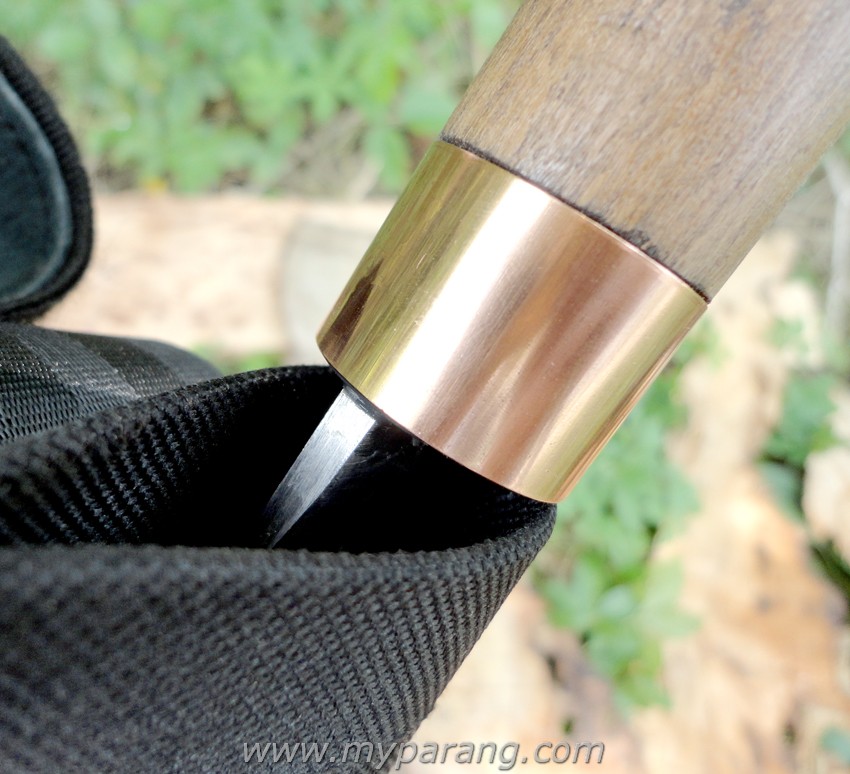
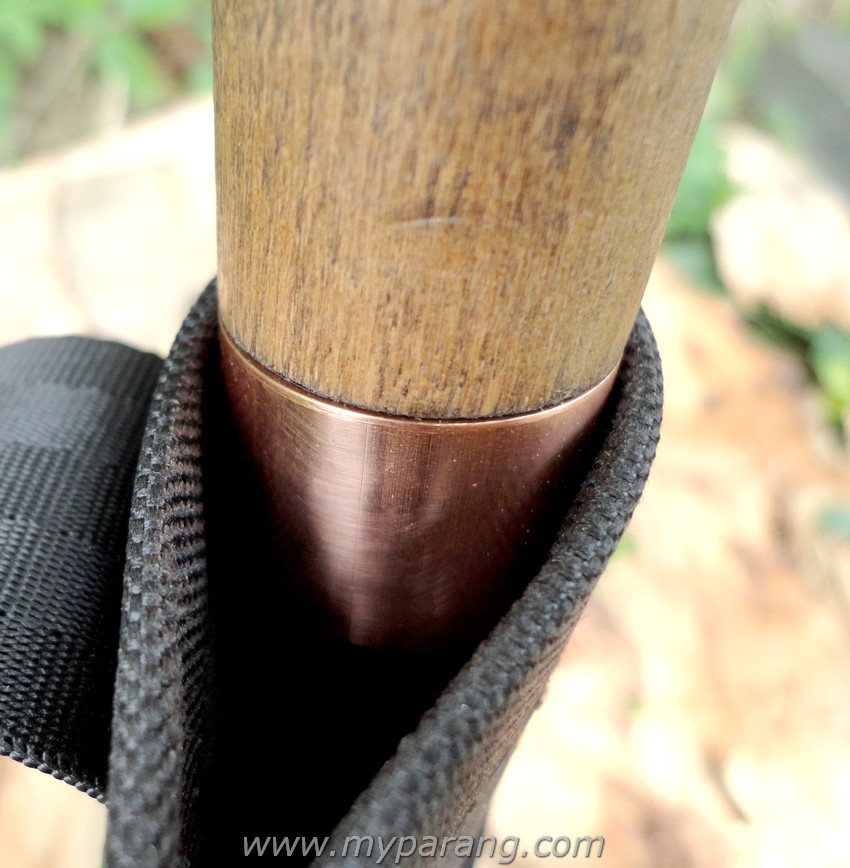
The copper ring / bolster is aesthetically appealing and compliments the whole look of the parang. It serves a beautiful and functional way of transition between the handle and blade. Besides looks, it also serves to strengthen the front of the handle, where most of the shock happens during chopping. Under the copper bolster we have also inserted a brass pin across the handle and stick tang. This is to ensure that the blade will never some out in any circumstances. You will have to brake the handle to cause the blade to come out , something which we believe would be impossible with normal use.
Most if not all genuine parangs have an unsharpened blade section a few inches after the handle. This is to enable the hand to choke up further into the blade for more delicate cutting tasks. This feature can also be seen on the Duku Chandong.
Tang and bolster is glued using industrial strength slow setting epoxy
To securely fasten the tang, handle and Copper bolster, we use industrial strength two part epoxy. We do not skimp on this as it is one of the most crucial parts of the parang. We have seen newspaper , hot glue, molten plastic , superglue and many other suspect ways of holding the tang in the handle, but nothing beats an epoxy specially formulated to bond wood and steel.
MY Parang Duku Chandong
The Duku Chandong or sometimes referred to as the ” Ray Mears ” parang originates from East Malaysia or as some people call, Borneo. It is a very common blade shape there . The Duku Chandong is a general purpose parang and it is very common to see people in Borneo using it in their everyday lives.
MY Parang Duku Chandong – Top is the 12″, middle is the 12″ heavy , and the bottom is the 10″
The main character of the knife is the sheeps-foot tip and how the handle is lifted up . While the sheeps-foot tip is very strong and suitable for prying, the upward handle causes the blade to arrive first followed by the knuckles. This is a great feature if you are cutting near the ground or near a solid object such as a big tree trunk , as it keeps your knuckles away and prevents if from getting bashed.
The blade also has a slightly upward curve, which produces a slicing cut. This type of cut is very effective at cutting small plants and shrubs.
MY Parang produces three different variations of the Chandong, the 12″ , the 10″ and the 12″ Heavy. The 12″ is the most common size and is often referred to as the ” go to” size. It offers good reach while not being too long nor too short. if you are looking for the best all rounder tool, this is the one to pick. The 10″ version is lighter and shorter. It is best suited for small tasks or when weight is a major issue. Despite it’s small size, it can still chop extremely well. As for the 12″ Heavy version, it is aimed more to those who will be using it to chop more than other tasks. Being made of thicker steel, the overall weight is considerably more and therefore is a beast at chopping. Heavy parangs do have a down side though, one is their overall weight and second, your arms get tired faster when using it. If you are going to use the parang throughout the day, we strongly get the 12″ version.
The difference in spine thickness between the Chandong 12 ” and the Chandong 12″ Heavy.Closer look of the spine thickness
The above picture shows the spine thickness difference between the 12″ Duku Chandong vs the 12″ Duku Chandong heavy. You can clearly see the difference in spine thickness as well as the distal taper .
MY Parang Golok
The MY Parang Golok 125 and 135
While the Chandong is common in East Malaysia , the Golok is a very common design in West Malaysia. Goloks can be seen commonly sold in hardware and certain convenience stores throughout Peninsular Malaysia. It is common to have a golok or two at home, especially if you live in the suburbs. They are general use tools , from skinning animals to cutting weeds to opening coconuts.
The tell – tale tip of the Golok
Goloks can be characterized by the pointed tip as can be seen above. The tip is pretty strong and the point makes it easy to dig and pry holes. Due to the shape of the tip, it is not really suitable to chop with it, compared to the sheeps foot tip. Goloks also have a prominent belly which can sometimes be a problem with sharpening, especially if your sharpening stone is wide. The belly
The larger Golok, the 135 is a heftier parang which is more suitable for chopping and rough work. The smaller 125 is suitable for lighter work and is considerably shorter and lighter. We have no idea what the 135 and 125 mean, but they seem to be a universal “model” throughout Malaysia , ie a 125 golok bought in different states will be the same design and same length / weight.
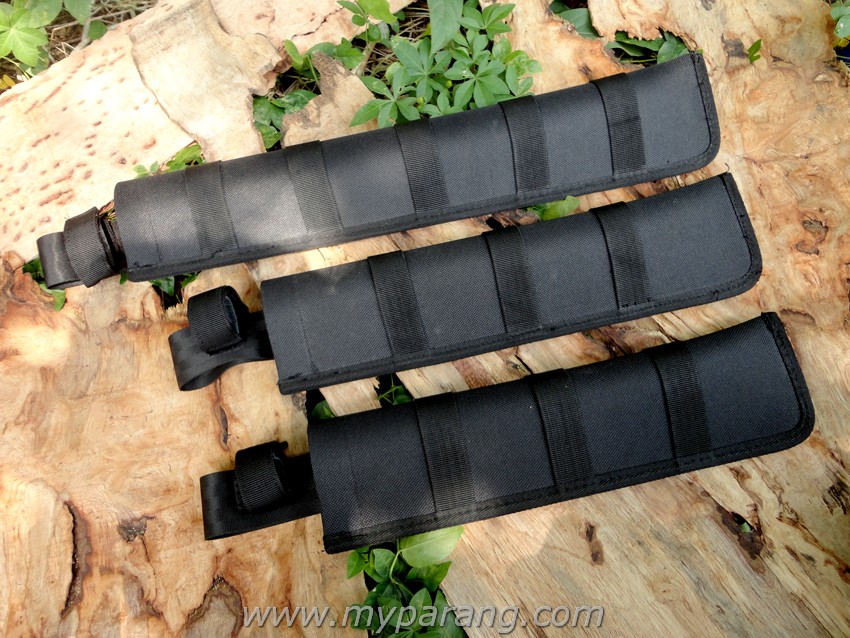
The MY Parang nylon sheath – available in 12″ , 13″ and 17″
Let’s have a closer look at the MY Parang Nylon sheath that comes with your MY Parang cutting tools.
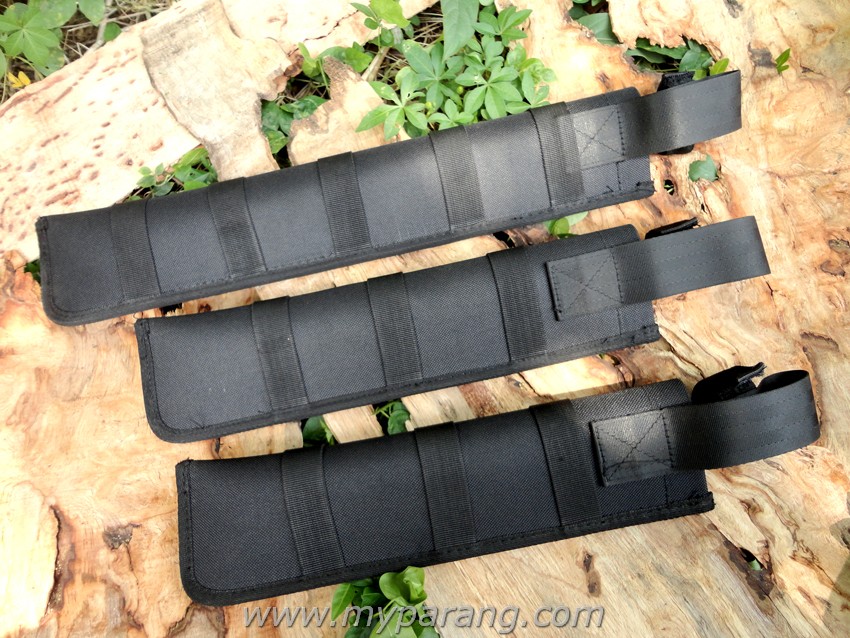
The back view of the MY Parang nylon sheath
Firstly, the sheath is made of 1000 D nylon, a robust and very abrasion resistant fabric. We chose Nylon over traditional material such as wood and leather due to the practicability of the material. Nylon is light, relatively cheap , strong , stable and dries fast. This is important as the sheath normally takes a beating when you are walking through rough terrain or are in the jungle. Sheaths scrape against rocks, tree trunks, get caught in vines and rattan fronds . You might also get them mud caked and wet while crawling or climbing over and under obstructions . The sheath does not have any drain holes but will slowly drain water out. Nylon material will dry much faster compared to wood or leather.
The sheath mouth opening
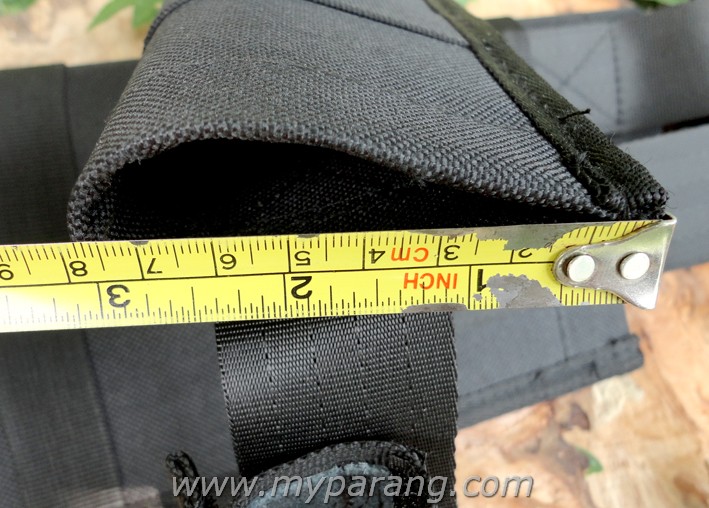
We have three lengths of the sheaths, the 12″ , the 13″ and the 17″ . The width of the sheaths are all the same – approximately 2.5″ wide. It looks much wider in the picture above , but it is really about 2.5″ wide. The sheaths will fit knives with a blade of up to two inches wide.
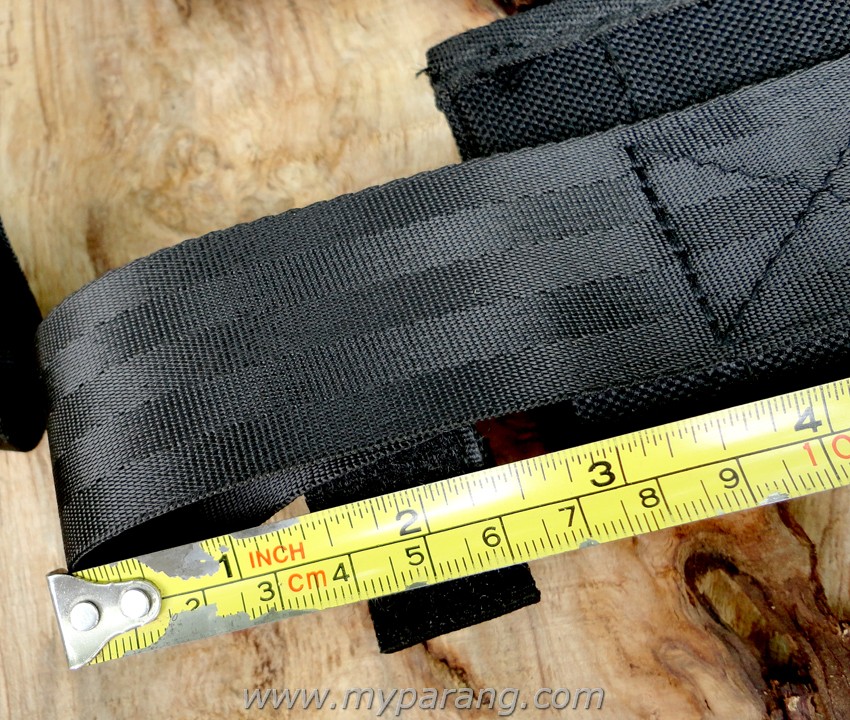
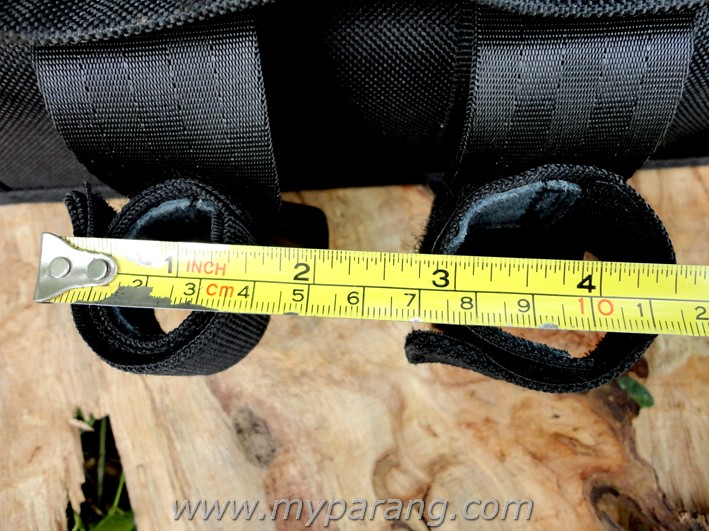
The pictures above show the belt loop , all MY Parang nylon sheath come with a sewn in and reinforced belt loop . This belt loop can easily fit belts up to 3.5″ wide. Army and backpack hip belts will not be a problem.
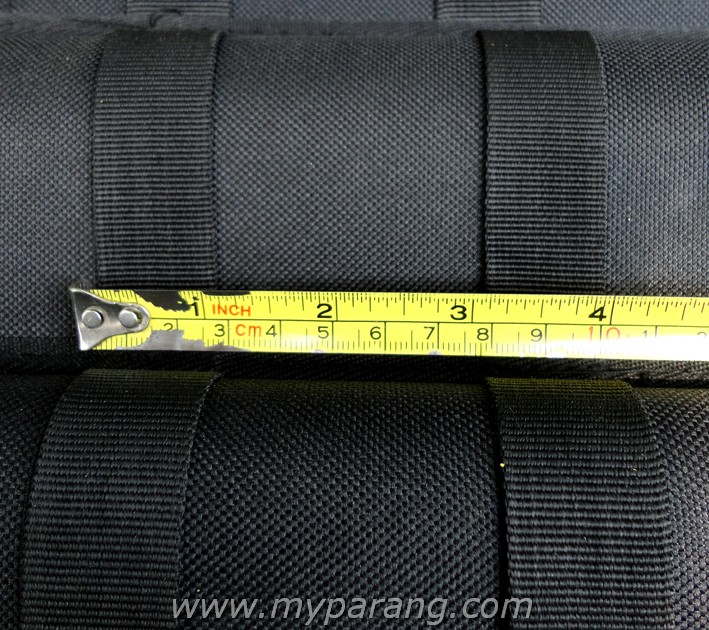
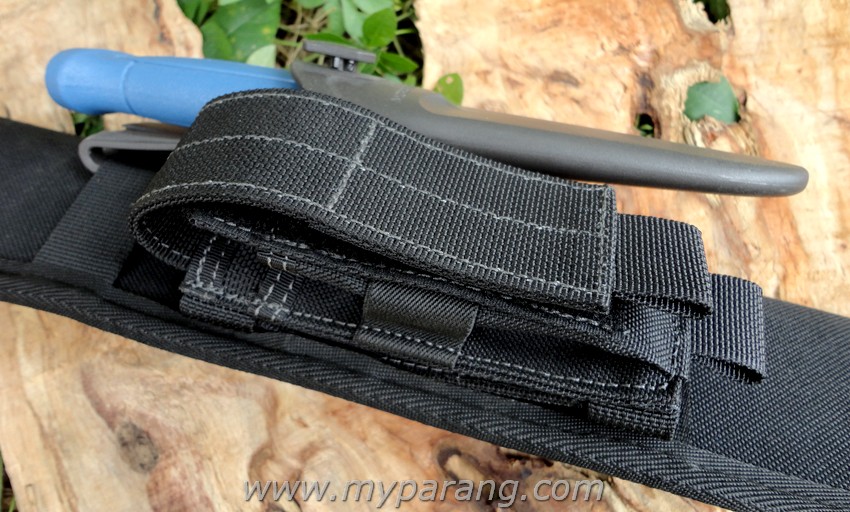
Another feature that you will notice on the MY Parang nylon sheath are the ” molle straps” going across the sheath. They are not true molle straps – their distances are more far apart – but they work fine for attaching small items to the sheath. As parang users ourselves, we often find that we tend to attache small items to our parang sheaths for example – a lighter, some rubber tube, a smaller knife and perhaps a small sharpening stone. By having these molle straps, a small pouch can be attached securely to hold these essential items safe and secure.
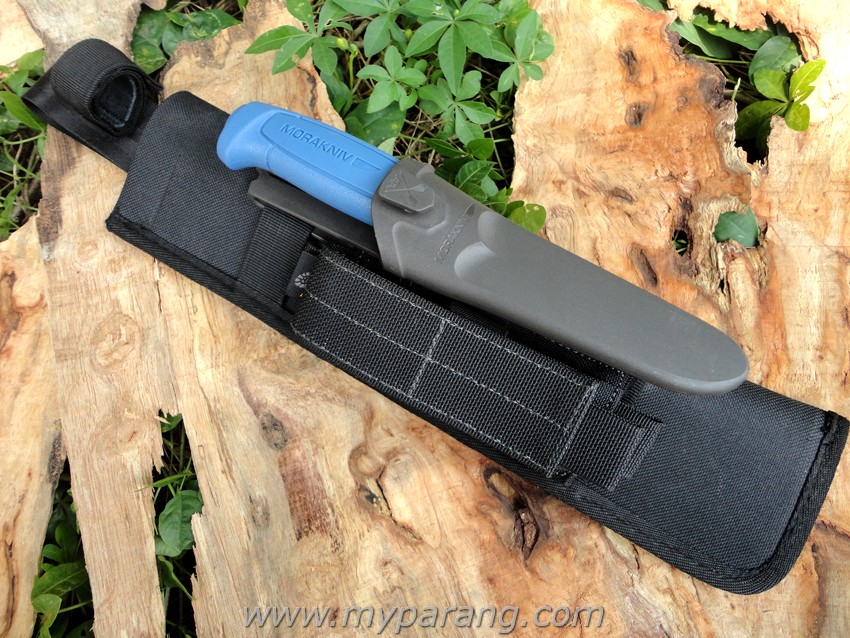
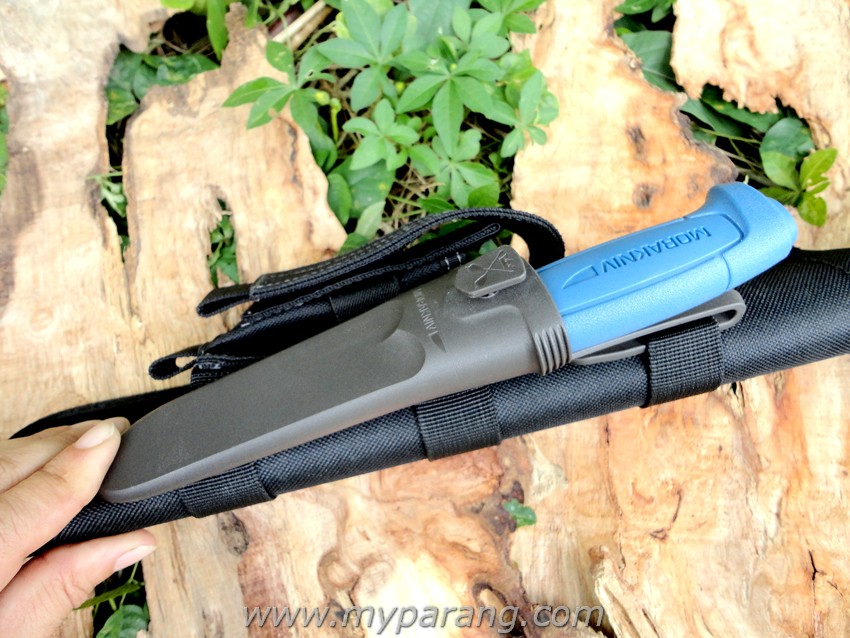
The Maxpedition single sheath paired with a Mora basicThe Mora basic is held very securely by the belt loop, and the bottom part of the knife sheath can be held down with some paracord or rubber inner tube.
As you can see from the above picture, the sheath can accommodate a small pouch such as the Maxpedition Single sheath pouch and a Mora basic stainless steel fixed blade knife. You can actually fit most molle pouches and it’s a matter of personal choice. We leave the finer details for you to customize and suit your preference.
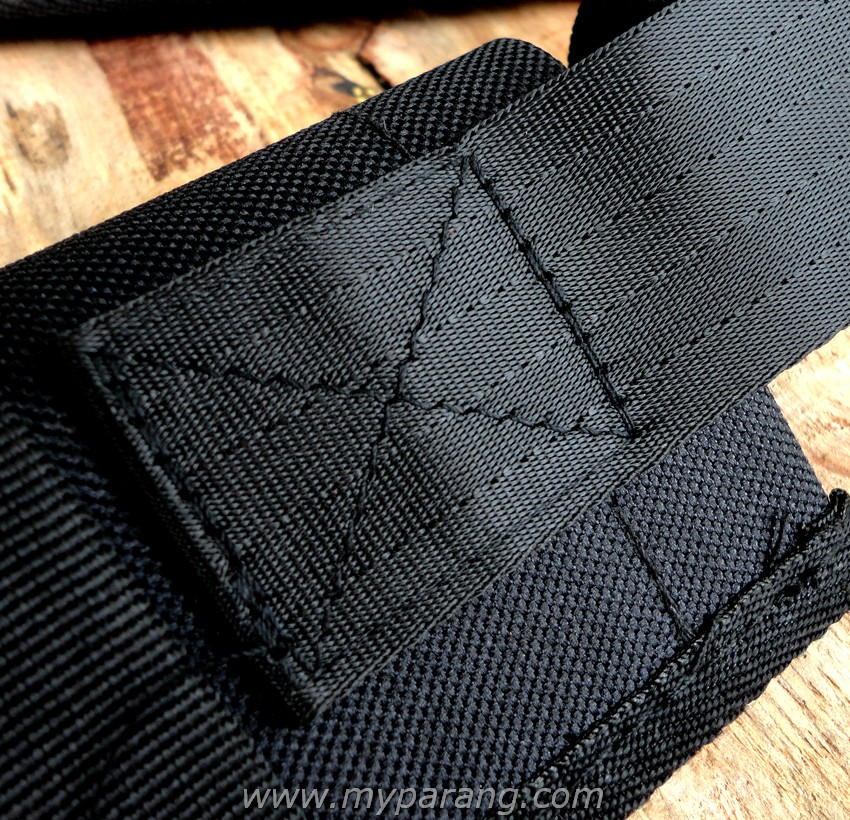
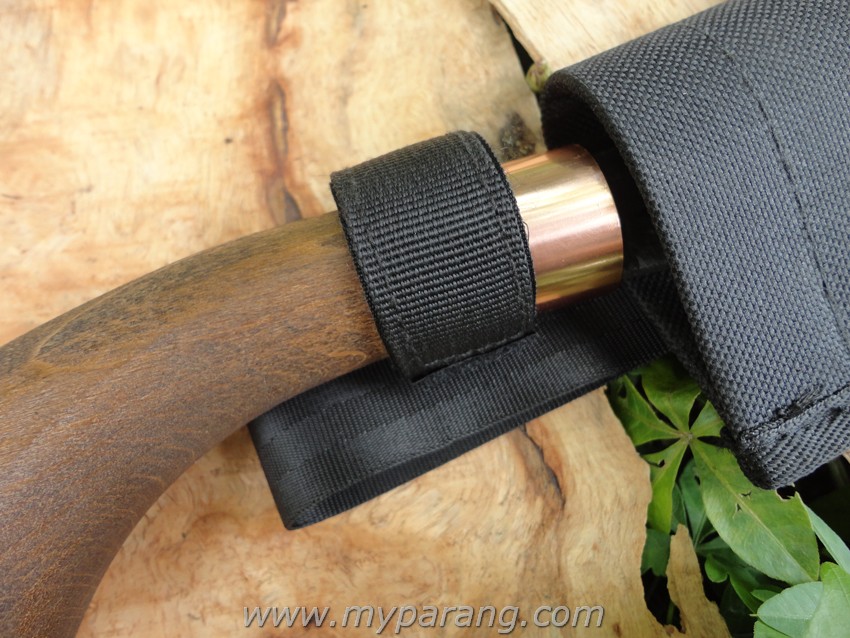
The handle retaining strap – keeps your parang secureYour parang will not fall off even when held upside down.The handle retaining strap can accommodate handles up to 1.5″ in diameter
To add security to the MY Parang nylon sheath and to prevent your parang from falling out , we have included a handle retainer strap. Unlike most knife sheaths, the retainer strap works poorly and some knives fall out when you hold the sheath upside down. This is more apparent if the handle is round and does not have a choil / quillon / guard . In some sheaths , we have even see the knife fall out AND cut the retainer strap off. That’s not a good design in our opinion. The handle retaining strap on the MY Parang nylon sheath has a Velcro closure so it can accommodate various handle diameter and shapes, plus it does not drop your parang or knife when holding the sheath upside down.
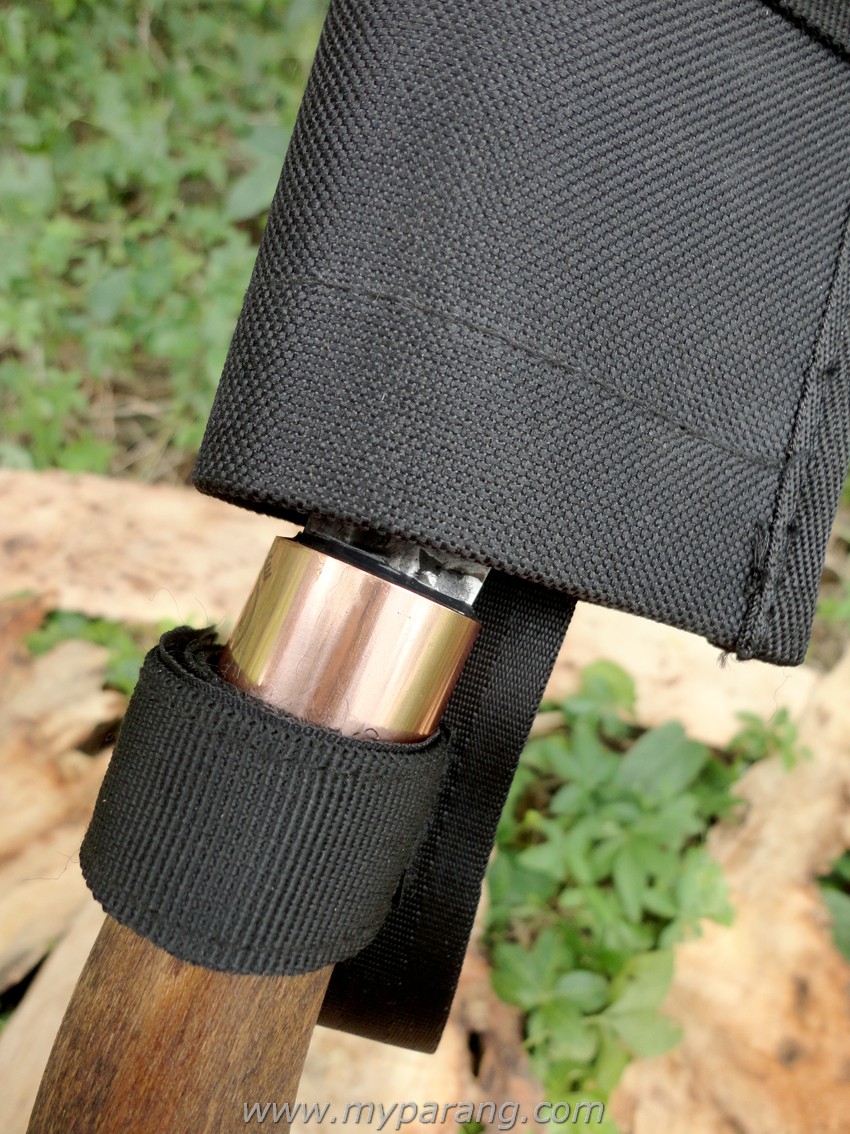
The end of the bolster should be resting on the rim of the sheath opening
When the parang is in it’s sheath, the end of the bolster should be resting on the rim of the sheath opening. The blade tip inside the sheath should be hanging free and not touching the end of the sheath. This is best for the parang and sheath, though it may rattle a bit when you are moving around.
If you are bothered by this, you can also temporarily secure the parang loosely in its sheath by pushing the bolster into the sheath opening. Be careful when doing this , do not force the blade too hard down as it will cut through the sheath and potentially injure you. Alternatively, squeeze the sheath with your fingers so that the bolster drops in. This is not the best way to sheath your parang, and whenever possible, use the handle retainer strap with the bolster resting on the sheath rim.
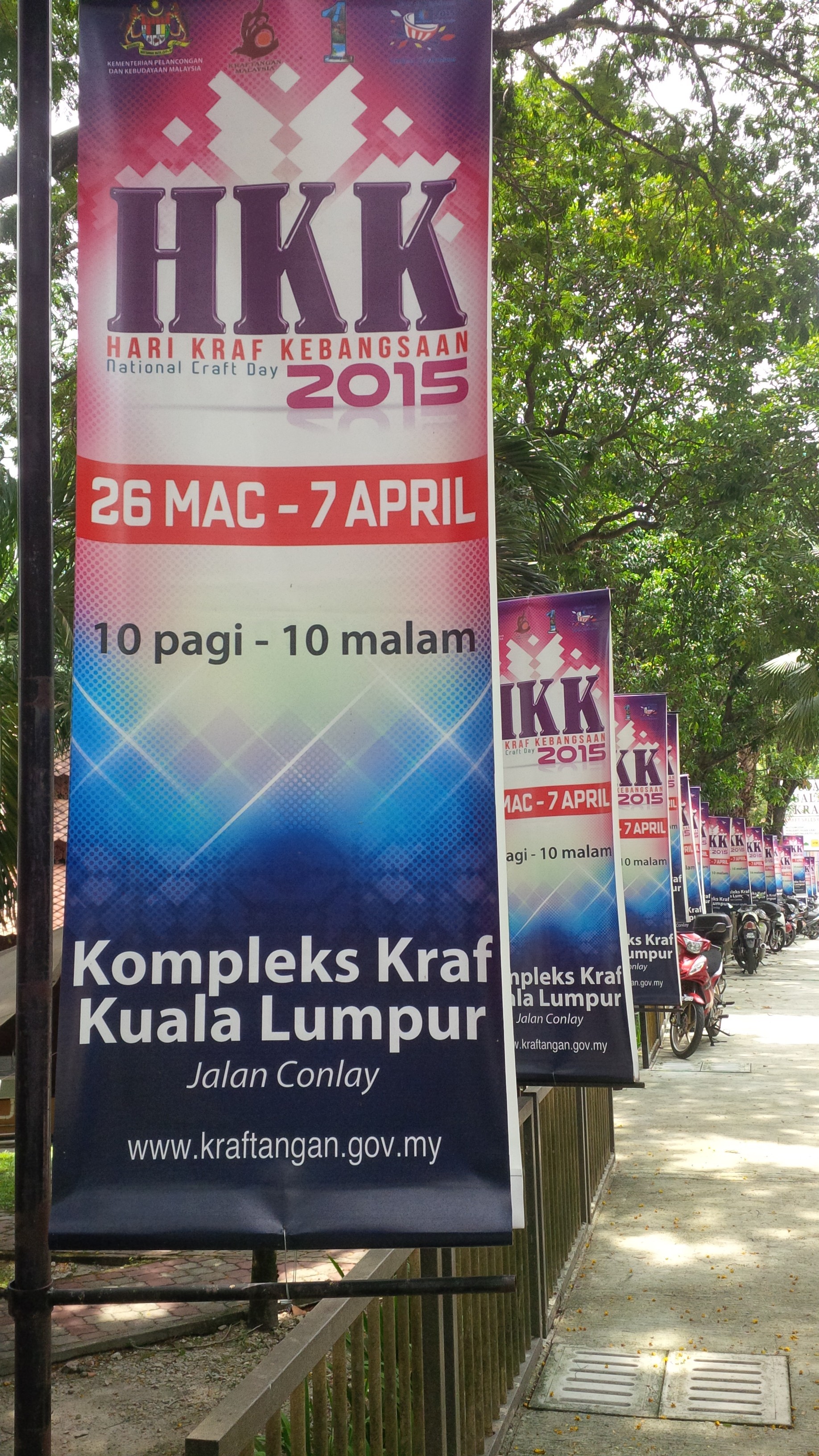
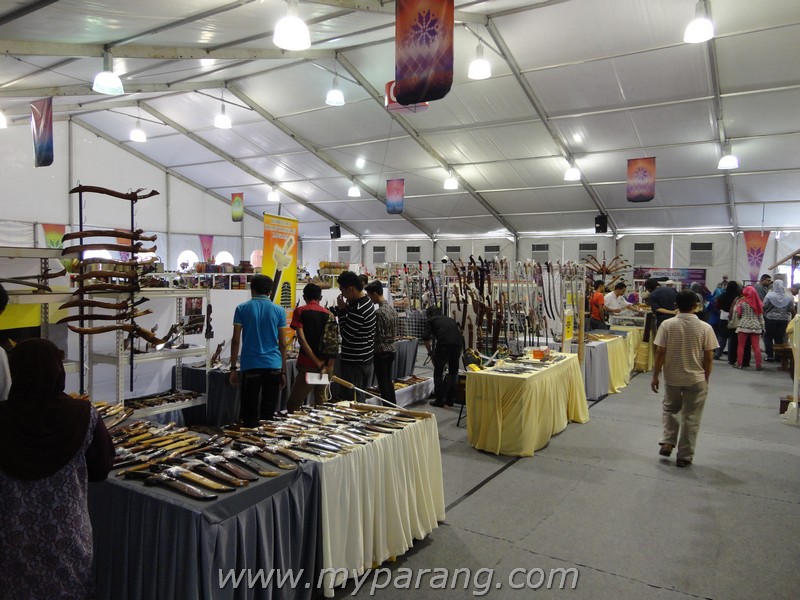
Every year , the Craft Development Corporation of Malaysia holds a Craft Fair called the ” Hari Kraftangan Kebangsaan ” , and this year, we were honored to be a part of it. This year there was a huge turnout , consisting of 637 exhibitors, displaying all sorts of crafts Malaysia is proud of such as Bamboo, rattan and palm weaving, wood carvings, batik, pottery, jewelery, furniture , leather craft and knife making. The Craft Week is very popular especially for those who live in Kuala Lumpur at is brings all the traditional crafts from all over Malaysia, from Perlis right to Sabah.
Hari Kraftangan Kebangsaan 26th March – 7th April 2015
Usually it is held in the month of February every year, but this year due to the devastating floods which happened at the end of 2014, the Craft Week was pushed forward to the end of March. Most if not all of the batik ( especially ) and knife makers from the East Coast of Peninsular Malaysia were badly effected. Most lost everything , and needed time to start new. We hope they managed to get good sales to during the craft week so they could recover from the loss .
Some of the crafts available at HKK
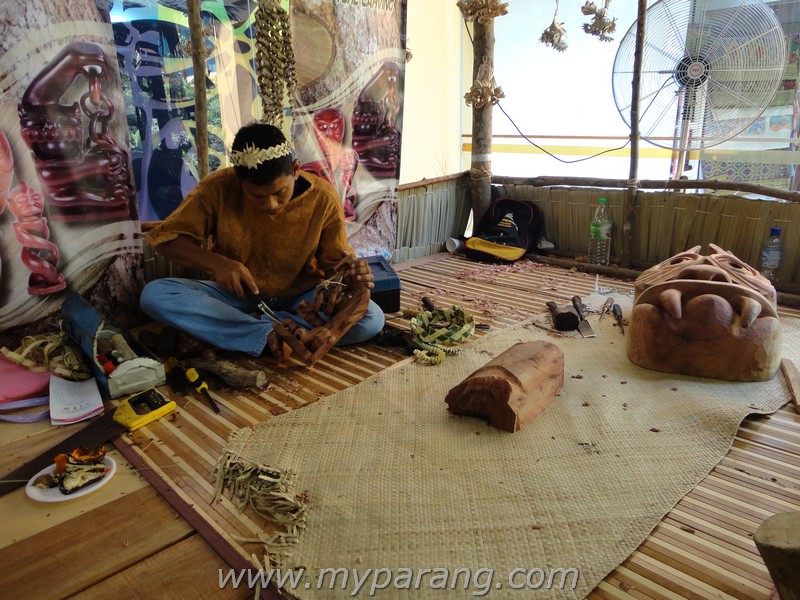
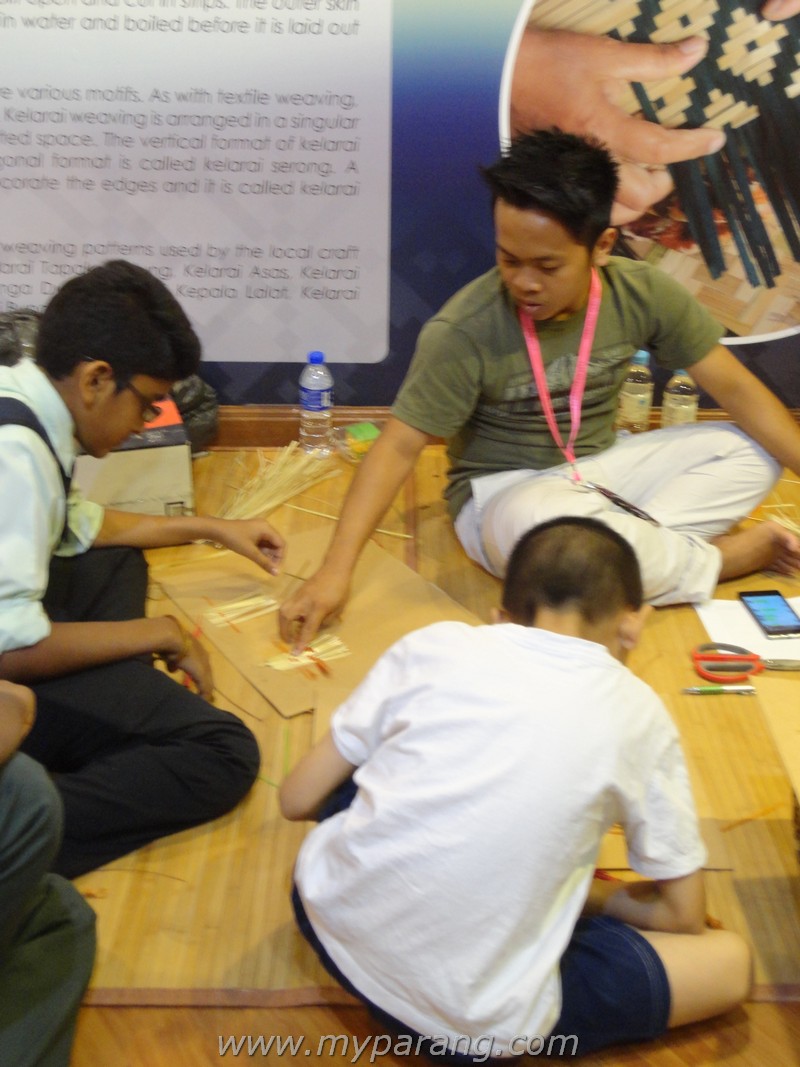
Besides buying and selling, there was also a lot of hands – on activities for visitors, such as batik painting , traditional music , kris standing competition, live carving demonstrations by the Orang Asal , mat and basket weaving classes and Parang making. It was definitely a busy two-week , and everyday we could see dozens of buses arriving and leaving with school children as well as government servants. Most of the parking lots nearby were choker full and the free shuttles were always busy arriving and leaving with full occupancy.
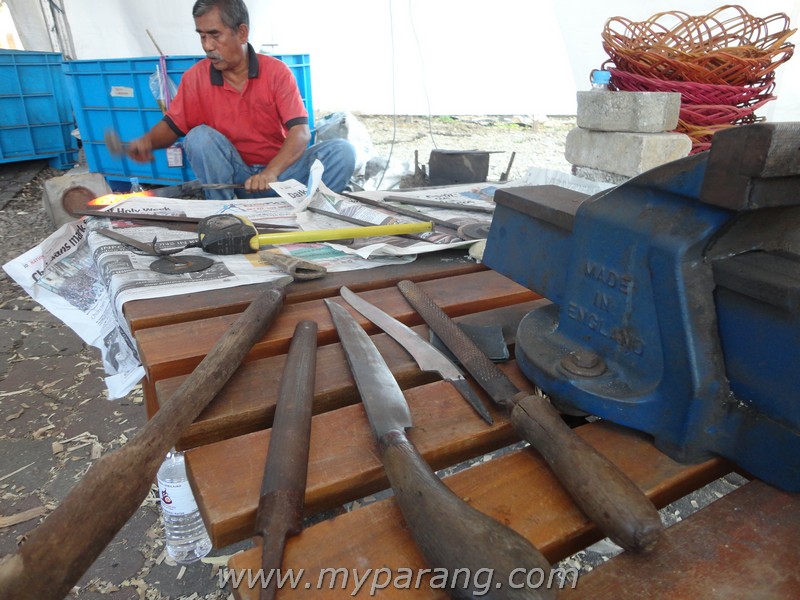
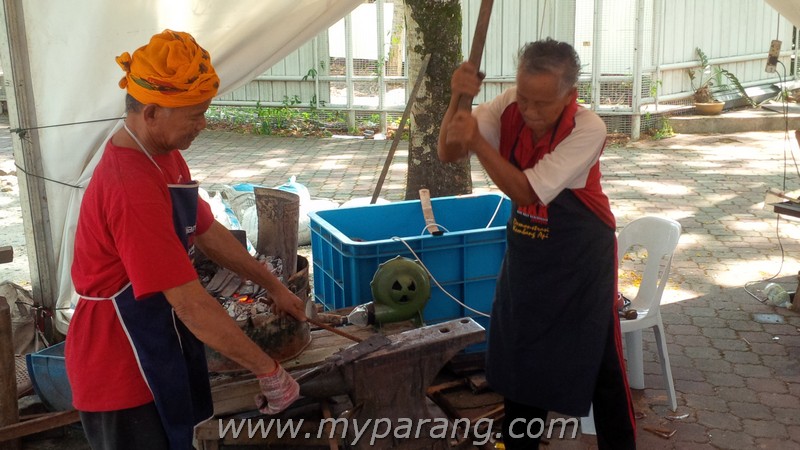
Knife making demonstrationOrang Asal wood carving demonstrationmat and basket weaving demonstrationKelantan knife makers pounding on hot steel
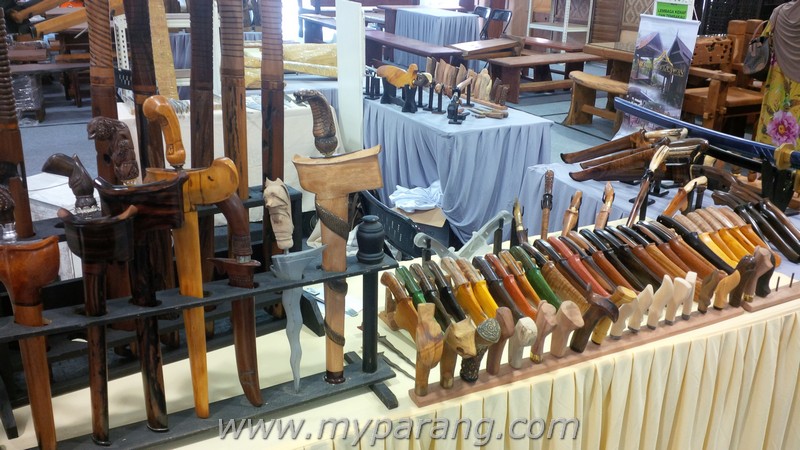
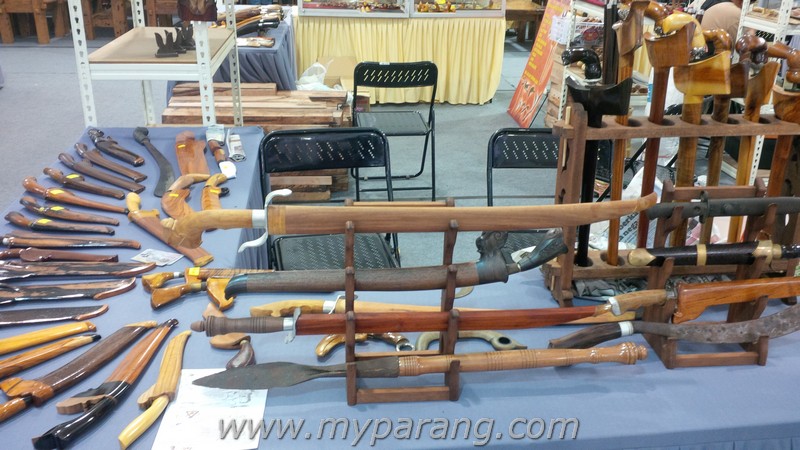
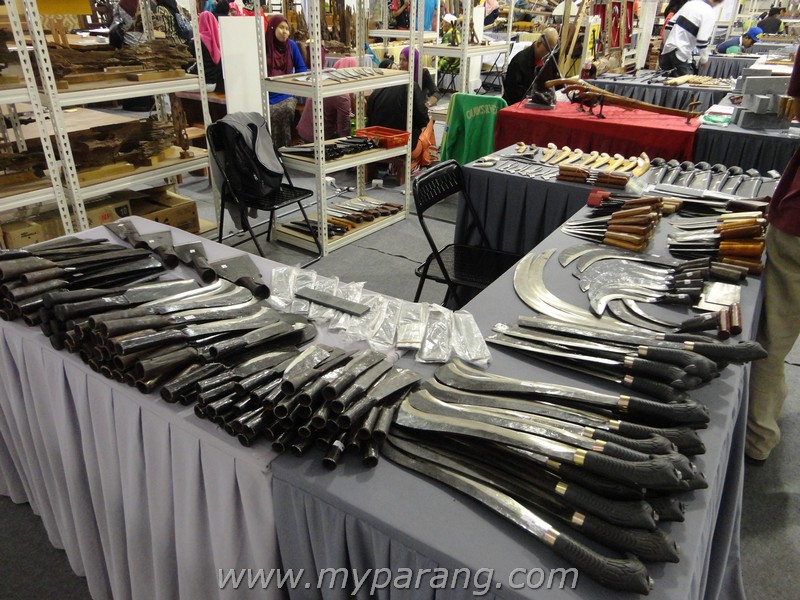
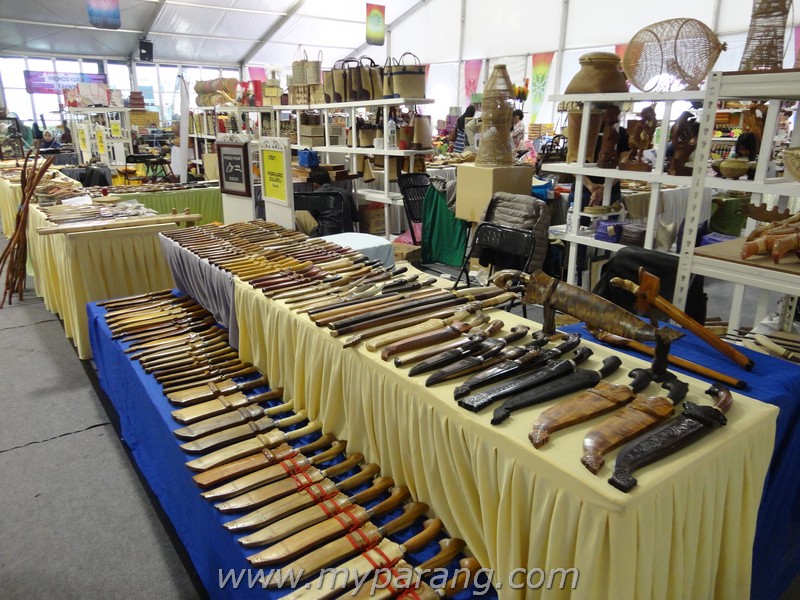
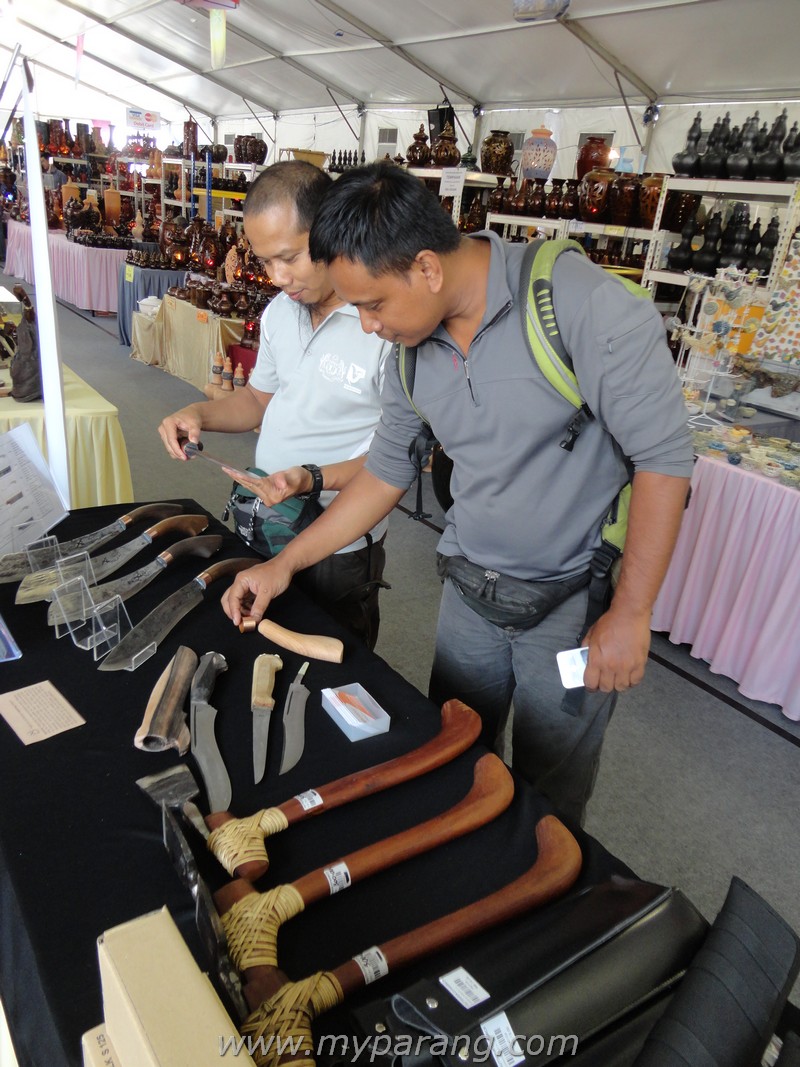
In the previous years, I would drop by and check out the various parang makers and sometimes pick a parang or two. Some come with 200-300 pcs for sale and some come with about 50 pcs. They vary widely in price, and sometimes you can get really exquisitely made parangs and goloks. You can also purchase exotic local wood, such as Kemuning ( Emas and Hitam ) , Arang Bunga , Juha ( Seribu Bunga ) , Serian , and many more. Below are some pictures of what you can find at the National Craft day .
Exquisitely made krisA parang with the sheath made of Juha woodA parang with sheath made form the Acacia wood
Most of the Parang and golok makers were placed in hall C, while some, including MY Parang were placed in hall E.
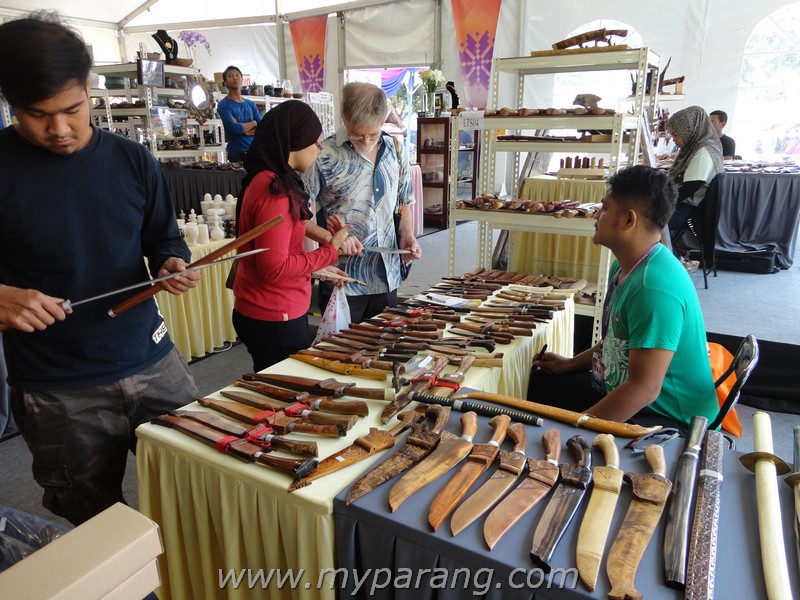
Keris and parangsswords, and spearsgardening toolsIt can be hard to choose when there are so many choicesBesides the parangs , you can also see the basketry in the backgroundA whole line of parang sellers
Most of the above pictures are from hall C, while the pictures below are from hall E . All together there were 13 halls covering all sorts of crafts. It can be pretty mind boggling and exhausting to cover all in one day, and it was pretty common to see the same customers coming over a span of a few days.
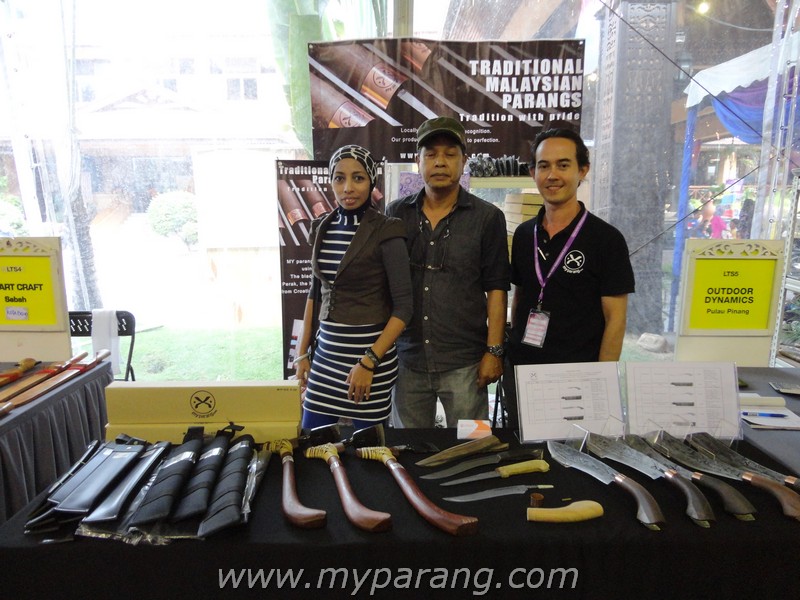
The Penang Craft Director Encik Rosli ( with cap ) at our booth in hall E
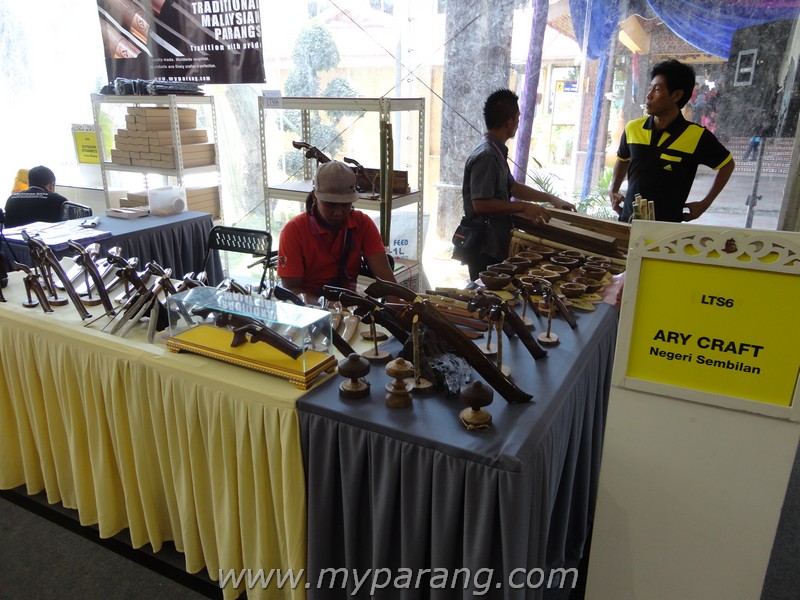
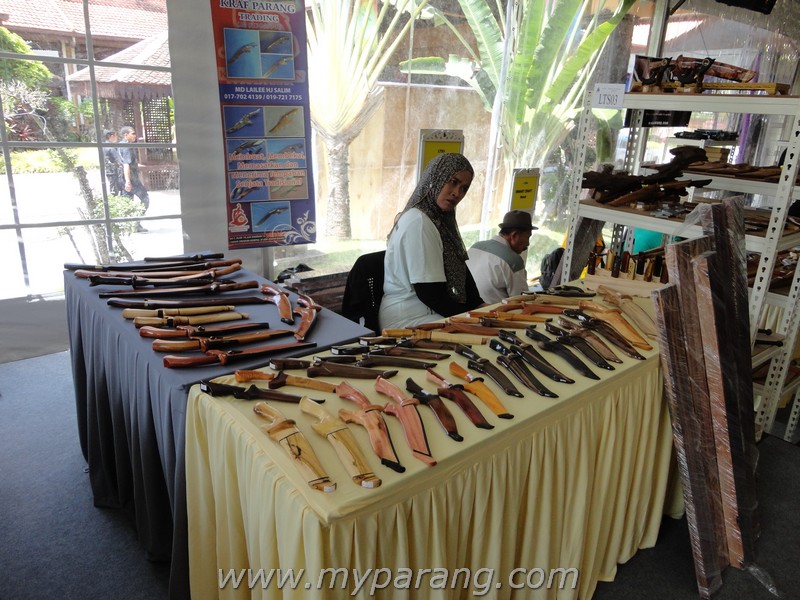
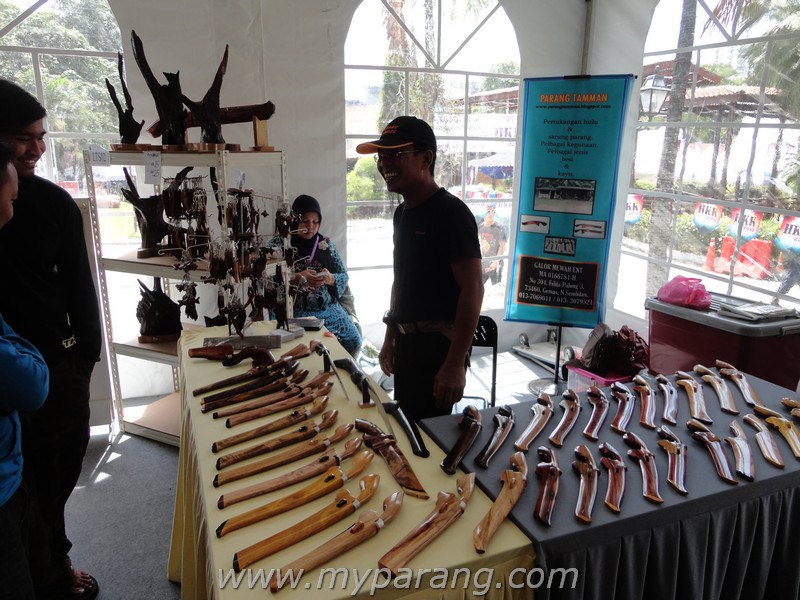
Some customers looking at MY Parang productsOur neighbor in Hall E ( Ary Craft from Negeri Sembilan )Hall E exhibitors (Parang Kraf from Johor)Hall E exhibitor ( Parang Tamman from Negeri Sembilan )Hall E exhibitors ( Smart kraf from Kota Belud Sabah )
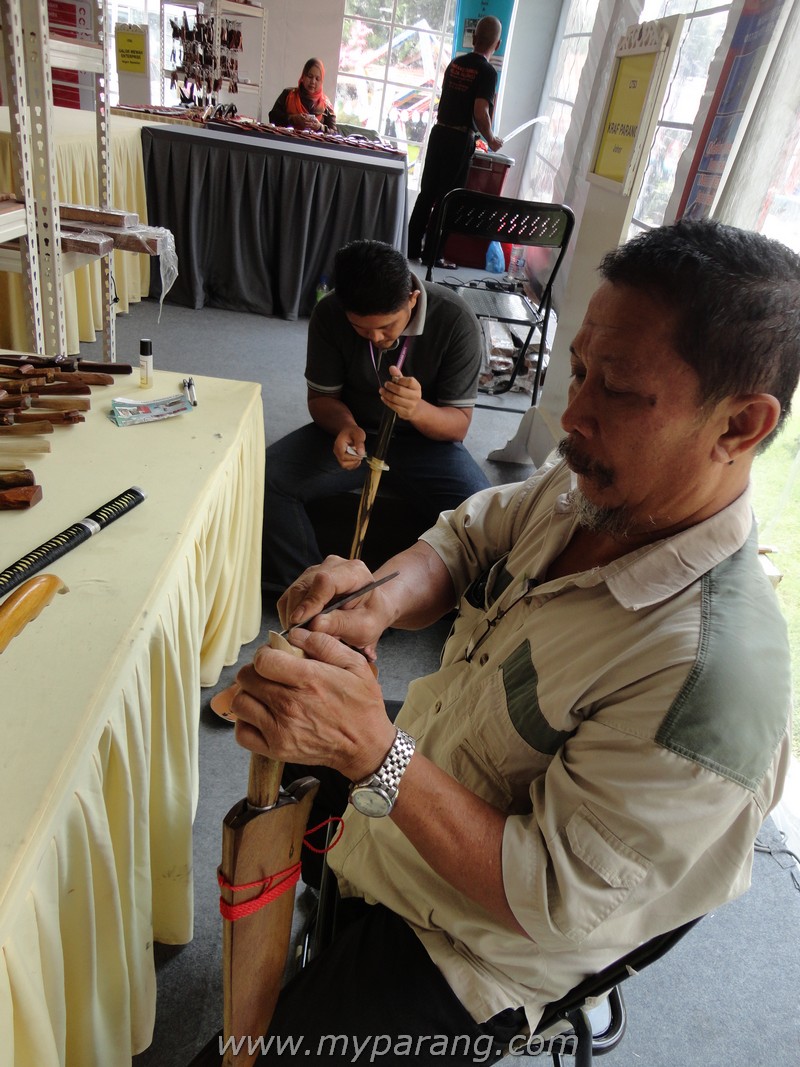
Most of the craftsmen I noticed kept themselves busy when they can. Most of them brought their tools with them – carving knives, angle grinders and whenever they had time, they would be busy carving, sharpening or polishing their products. Besides selling their works to customers, there was also a “Back sales” going on between the sellers. No, nothing against the law, just special tool attachments, sand paper, brass tubes , wood , steel for making parang blades, various oils and polishing items, carving knives, jigs and whatnot. It was pretty amusing actually. The Craft fair is also a time for all the craftsmen from all over Malaysia to meet, discuss, share and learn new things from their fellow traders.
Busy when there are no customers
Another highlight of the National Craft Week is the blacksmith demonstration or known as ” Demonstrasi Kembang Api ” . Every year about 6-8 craftsmen are invited to demonstrate their skills at making everyday tools , like the parang, goloks, Kris, knives, Kacip ( a scissor like tool to cut betelnut ) , sabit ( sickle ) and lembings ( spears ) . They are located in an open booth , usually at the back of the premises . They do start pretty early in the day, as they take a long break when the day gets hot. Every time I arrive to man our booth at 9.30 am, they are already busy hammering orange colored steel . I believe they try to use the cooler part of the day to do the forging, then move to grinding and heat treating in the afternoon and evenings . Below are some videos I took of their booth.
The above is a video of a guy hardening a plane Iron
The video above shows the “Kembang Api ” open booth. You are welcomed to grab a hammer and start hitting.
As mentioned earlier, it was an honor for MY Parang to be able to take part in this year’s National Craft Week . It was a very busy two week period , not only selling MY Parang products, but visiting other Parang makers, discussing little details and learning new techniques. Some of our customers also have a wealth of knowledge and they are not stingy when it comes to sharing it.
We would like to give a big Thank You to Kraftangan Malaysia for letting us take part in the National Craft Week, and we hope we will be able to make it every year now onwards. We also would like to say thank you to the Kraftangan Staff who dropped by our booth to have a look at our products and give us words of encouragement .
All about Malaysian Parangs, Goloks and Duku Chandongs